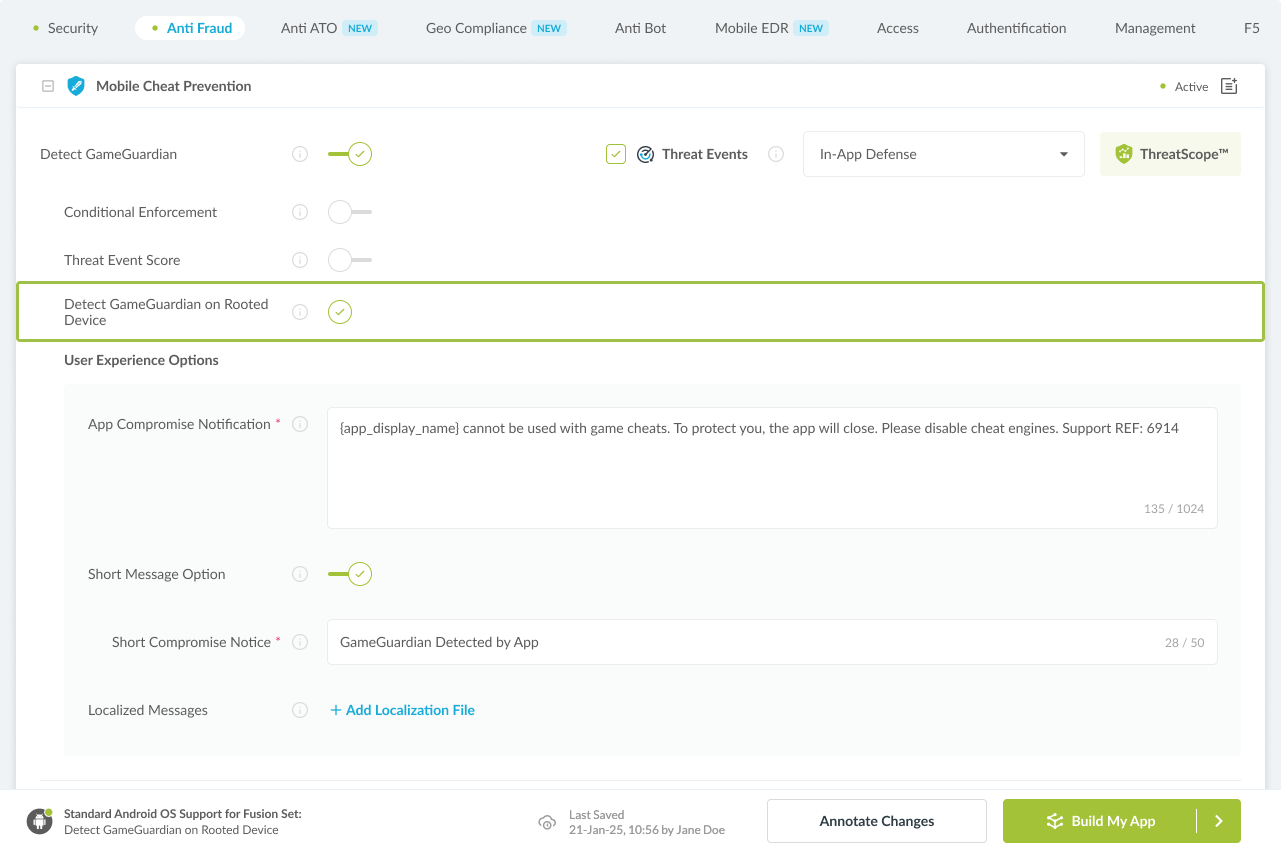
Detecting unauthorized modifications like GameGuardian on rooted Android devices has become increasingly complex due to evolving hacking techniques and automation powered by artificial intelligence. As mobile gaming and app security continue to advance, employing intelligent detection methods is essential to safeguard your applications from cheats, exploits, and malicious tampering. This guide explores how AI-enhanced solutions can effectively identify the presence of tools like GameGuardian, helping developers maintain fair play and secure transactions.
What Is a GameGuardian Rooted Device Attack?
GameGuardian is a widely used cheat engine that operates on rooted Android devices, granting attackers the ability to manipulate game data, modify in-game values, and bypass security features. When used maliciously, it allows unauthorized access to login credentials, in-app purchases, and other sensitive information. On rooted devices, GameGuardian functions with elevated privileges, making it difficult for standard detection methods to identify its activity. Increasingly, AI-driven agents automate memory alterations, rendering traditional detection techniques less effective. Preventing such attacks is vital for preserving the integrity of your app and ensuring compliance with anti-fraud policies, especially in the mobile gaming industry, where fair play and secure financial transactions are paramount. For insights into how to develop secure applications, refer to mobile app development.
How Appdome Protects Mobile Apps Against GameGuardian Rooted Device Attacks?
Appdome offers a robust solution with its dynamic plugin that detects the presence of cheating tools like GameGuardian on rooted Android devices. The system prompts users for root access permissions during app operation, requesting explicit consent. If granted, the plugin leverages root privileges to scan for known cheat engines and other malicious modifications. Should the user deny the root access request, the plugin responds accordingly with a Threat-Event™ notification indicating user denial, enabling reactive security measures. This approach ensures continuous protection without requiring developers to embed complex detection logic directly into their code, simplifying the process of maintaining secure mobile applications. To learn more about building secure apps, explore the process of creating mobile applications.
Prerequisites for Using Appdome’s Detect GameGuardian on Rooted Device Plugins
To effectively implement Appdome’s solution for detecting cheat tools on Android, you need the following:
- An active account with Appdome (you can create a free account here)
- A valid license for the Detect GameGuardian on Rooted Device plugin
- Your mobile application file in formats such as .apk or .aab
- Proper signing credentials, including instructions for signing secure Android apps
How to Implement Detect GameGuardian in Android Apps Using Appdome
Using Appdome, you can effortlessly add anti-cheat protections to your Android applications through a straightforward process, eliminating the need for SDKs or gateways. Follow these steps:
- Select the Application: Upload your app via the Appdome platform’s graphical interface or integrate through API or CI/CD pipelines.
- Choose the Defense: Opt for the Detect GameGuardian on Rooted Device feature and create a security template—called a Fusion Set—that includes this protection.
- Configure the Protection: Name your Fusion Set and add the detection feature following the guided steps within the console. The system automatically displays relevant icons indicating active protections.
- Identify Your Fusion Set: Copy the Fusion Set ID from the console’s summary page to integrate with your build systems.
- Integrate with Build Systems: Use the API reference guides or sample APIs from Appdome’s GitHub repository to include the security features into your CI/CD workflows like Jenkins, Travis, or Circle CI.
- Activate the Protection: Enable the detection feature within the console, toggle it on, and trigger the build process.
- Verify the Deployment: Appdome generates a Certified Secure™ certificate confirming the protection has been successfully integrated. This certificate provides a comprehensive audit trail and proof of compliance, ensuring your app is protected against cheat tools like GameGuardian.
Using Threat-Events™ for GameGuardian Intelligence and Control in Android Apps
Appdome’s Threat-Events™ system offers actionable in-app attack intelligence whenever GameGuardian or similar tools are detected. By registering event listeners, developers can receive real-time notifications and respond accordingly—such as alerting users, logging incidents, or initiating automated countermeasures. The system supports various programming languages, including Java, Kotlin, Xamarin, React Native, Cordova, and Flutter, enabling seamless integration into your app’s architecture.
Below is an example of how to set up a native Android receiver to listen for detection events:
“`java
IntentFilter intentFilter = new IntentFilter();
intentFilter.addAction(“GameGuardianDetected”);
BroadcastReceiver threatEventReceiver = new BroadcastReceiver() {
@Override
public void onReceive(Context context, Intent intent) {
String message = intent.getStringExtra(“message”); // Message displayed to user
String reasonData = intent.getStringExtra(“reasonData”); // Detection cause
String reasonCode = intent.getStringExtra(“reasonCode”); // Event code
String currentThreatEventScore = intent.getStringExtra(“currentThreatEventScore”);
String threatEventsScore = intent.getStringExtra(“threatEventsScore”);
// Implement your response logic here
}
};
registerReceiver(threatEventReceiver, intentFilter);
“`
For cross-platform development, similar event registration can be done through native modules or platform channels, as shown in the Flutter example. This allows developers to process threat data efficiently and maintain a high level of security across different app frameworks.
Final Thoughts
With Appdome, integrating cheat detection like GameGuardian on rooted devices requires no coding, SDKs, or network gateways. All protections are built directly into your app, making it self-defending and self-protecting. Once integrated, you can confidently release and publish your mobile applications, knowing they are fortified against tampering and cheating. Post-integration options include customizing branding, deploying to app stores, and maintaining ongoing security updates. To deepen your understanding, consider exploring articles on preventing jailbreaking or rooting bypasses, or consult the official Appdome support.
Releasing and Publishing Secure Mobile Apps: After securing your app, you can customize, configure, and deploy it through various channels, ensuring your users experience a fair, secure environment. The entire process is streamlined, and no additional infrastructure is required.
Questions or Support? Reach out at support.appdome.com or use the chat feature within the platform for assistance.
Thank you for choosing Appdome! Our mission is to make mobile app security accessible and effective worldwide, enabling developers to focus on innovation while we handle protection.