


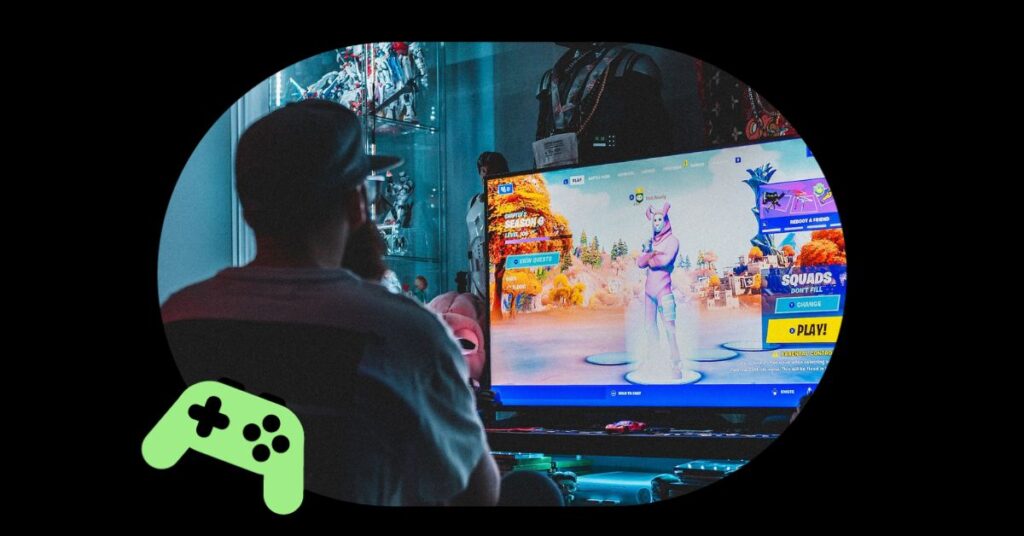
Exploring whether you prefer gaming alone or with others can reveal a lot about your gaming style and personality. While some players thrive in solitary adventures, others find their thrill in multiplayer battles and cooperative missions. Understanding these preferences can help you choose the right games and even influence how game developers design their titles. In this article, we’ll delve into the main aspects that distinguish single-player from multiplayer gamers, offering insights that may resonate with your own gaming experiences.
Recognizing Your Playing Style
The first step in determining whether you lean more towards solo or social gaming involves reflecting on your typical gaming habits. Do you enjoy immersing yourself in rich, story-driven campaigns that allow for deep exploration and personal achievement? Or do you prefer engaging with friends or online communities, competing in tournaments, or collaborating in team-based challenges? These preferences can help clarify your gaming identity and guide you toward titles that match your style.
The Appeal of Single-Player Games
Single-player games often focus on narrative depth, immersive worlds, and personal progression. They provide a controlled environment where players can explore at their own pace, experiment with different strategies, and experience compelling storytelling. For many, these titles offer a sense of accomplishment and fulfillment that comes from overcoming challenges independently. Developers pay close attention to creating engaging story arcs, detailed worlds, and meaningful character development to keep solo players captivated. If you find yourself drawn to these aspects, you’re likely someone who enjoys gaming as a solitary, introspective activity.
The Excitement of Multiplayer Experiences
Conversely, multiplayer gaming emphasizes social interaction, teamwork, and competition. Whether it’s cooperative missions, PvP battles, or online communities, multiplayer titles foster a sense of belonging and shared achievement. They often require communication, strategic planning, and adaptability, making them appealing for players who thrive on social engagement. Many modern games are designed with robust ecosystems that facilitate seamless online interactions—an area where understanding the intricacies of building engaging digital environments becomes crucial. For those interested in creating or improving such platforms, exploring the principles behind engineering profitable ecosystems for iOS and Android can be invaluable see here.
The Impact of Gaming Environment and Technology
The gaming landscape continues to evolve rapidly, with advances in technology making both single-player and multiplayer experiences more immersive and accessible. For instance, crafting immersive experiences for small screens requires thoughtful design to ensure gameplay remains engaging even on compact devices more about this here. Whether you prefer the solitude of a story-rich adventure or the dynamic interaction of multiplayer worlds, understanding your preferences helps tailor your gaming journey.
Final Thoughts: Finding Your Balance
Ultimately, whether you are a single-player enthusiast or a multiplayer fan, the key is to recognize what brings you the most satisfaction. Many gamers enjoy a mix of both, switching between solo campaigns and online interactions depending on their mood or available time. As the industry continues to innovate, opportunities to blend these experiences are expanding, allowing players to enjoy the best of both worlds. By understanding your gaming tendencies, you can better select titles, participate in communities, and even influence how future games are developed to suit diverse player needs.